The Gift of Lockdown
23rd April 2020
Combat back-to-school anxiety
16th July 2020
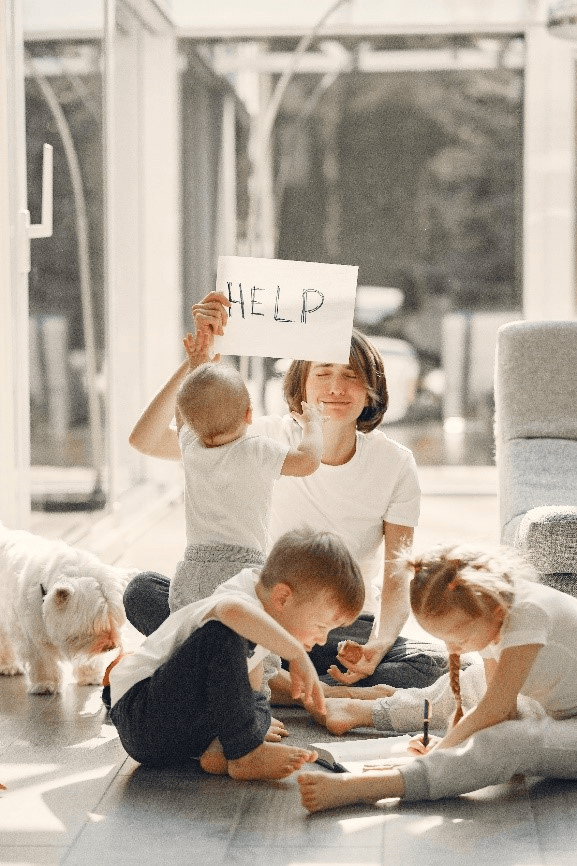
During this time, I’m sure a lot of you can relate to; trying to juggle your work at home, being a mom, being your child’s teacher and keeping the house afloat – these are not easy tasks by any means. One thing I deal with almost every day during this lockdown period while trying to home school my 10-year-old son, is getting him to stop fidgeting and moving in his chair, while we are busy with his school work. We have also had a few enquiries during this time where parents are quite concerned because their child moves constantly in his/her chair during their daily lessons or they would rather want to stand and do their work than sit down. Does this sound familiar to you? Does your child like to move it?
This we call sensory seeking behaviour…
The vestibular system is the sensory system in your inner ear that processes movement. This system helps us understand balance, posture, a sense of upright positioning and alertness in response to movement. This system is activated by MOVEMENT.
If you think of yourself; your concentration also starts fading when your body needs to remain still and quiet for extended periods of time. How do we stay alert when we need to sit at a conference or at a meeting for long periods of time? At first we have no problem attending, but as time goes on it’s natural for our attention to start to dwindle. We then start to shift in our seats, cross our legs, cross our arms or stretch our backs. These slight movements help trigger the vestibular system, giving us feedback about posture and alertness and help us to refocus.
Kids therefore, seek out similar movements during desk-based tasks to activate their muscles to try to stay alert. Imagine if we give kids more frequent opportunities to get up and move throughout the school day. They may start to participate more in their own learning process.
Here are some movement break ideas for your kids to get them going:
- Chair push-ups: Let your child put their hands on the side of their seat and lift and hold their bottom off the seat for 3-5 seconds. (Let them pretend that their seat has just ‘disappeared’ and they should stop themselves from falling out of the ‘plane’.)
- Let your child bounce on an exercise ball or go jump on a trampoline for a few minutes
- Turn on the music and take a dance break with your child
- 5-4-3-2-1 Game: Let your child do different movements in descending order. For example: Do five star jumps, hop on one foot four times, spin around three times, do two donkey kicks and walk around the house/classroom once.
- Simon Says: An oldie but a goody.
- Movement songs like “Head, shoulder, knees and toes”. Move away from the desk and have fun matching actions to the lyrics with your child.
- Be an animal! Let your child do some animal walks like crab- and bear walk. You can Google ‘animal walks’ for easy picture references.

Imagine if teachers gave kids more frequent opportunities to get up and move throughout the school day. They might be able to concentrate and listen to their teachers for longer periods of time. They might be calmer and be more engaged in their learning. This could make a world of difference for most kids.
So let’s use this time to move a little bit more during our new home-school day and help our children learn while they ‘MOVE IT!’ (Check out our Events page for some free movement sessions to help get your kids moving at home)
Let’s make sense together
SensOplay